
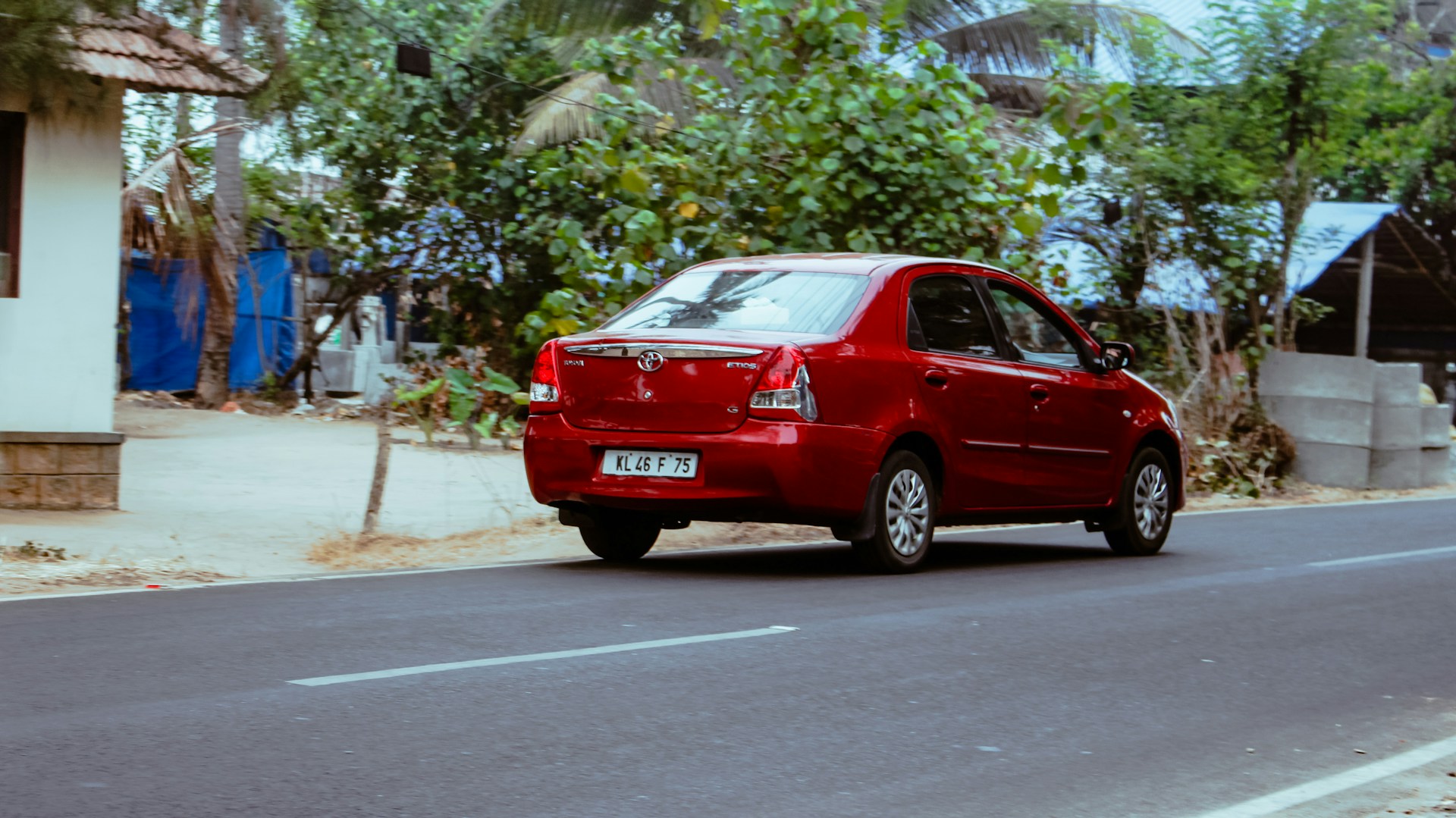
Hitting 200,000 miles on a car can feel like an impossible milestone for many drivers, but it’s actually achievable with the proper care. Modern vehicles are built to last, yet reaching that milestone requires more than luck—it takes consistent attention, smart maintenance, and a little patience. If you want your car to stay on the road long past 200,000 miles, understanding the basics of upkeep is the place to start.
Stick to a Maintenance Schedule
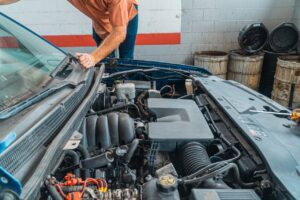 Regular maintenance is the backbone of a long-lasting car. Oil changes, fluid checks, tire rotations, and brake inspections might feel routine, but skipping them can lead to expensive problems down the line. Following the manufacturer’s maintenance schedule ensures that every part of your vehicle runs smoothly. Even small tasks like replacing wiper blades or air filters on time can help your car perform better for years.
Pay Attention to Warning Signs
Your car communicates problems before they become serious. Strange noises, dashboard lights, vibrations, or changes in performance are all signals that something needs attention. Ignoring them is a surefire way to turn a minor repair into a major one. Learning to listen to your vehicle and address issues early is one of the most effective strategies for longevity.
Drive Smart, Not Aggressively
How you drive has a significant impact on your car’s lifespan. Aggressive acceleration, sudden braking, and high-speed driving put unnecessary stress on your engine, transmission, and suspension. Gentle starts, smooth stops, and moderate speeds help reduce wear and tear. Treating your car with patience and care is like giving it extra years of life.
Monitor and Replace Critical Components
Certain parts need extra attention if you want to surpass 200,000 miles. Timing belts, water pumps, battery, and brake components should be inspected and replaced according to their service intervals. Neglecting these critical elements can lead to catastrophic failures that are expensive and sometimes irreversible. Being proactive ensures your car keeps running reliably.
Keep It Clean, Inside and Out
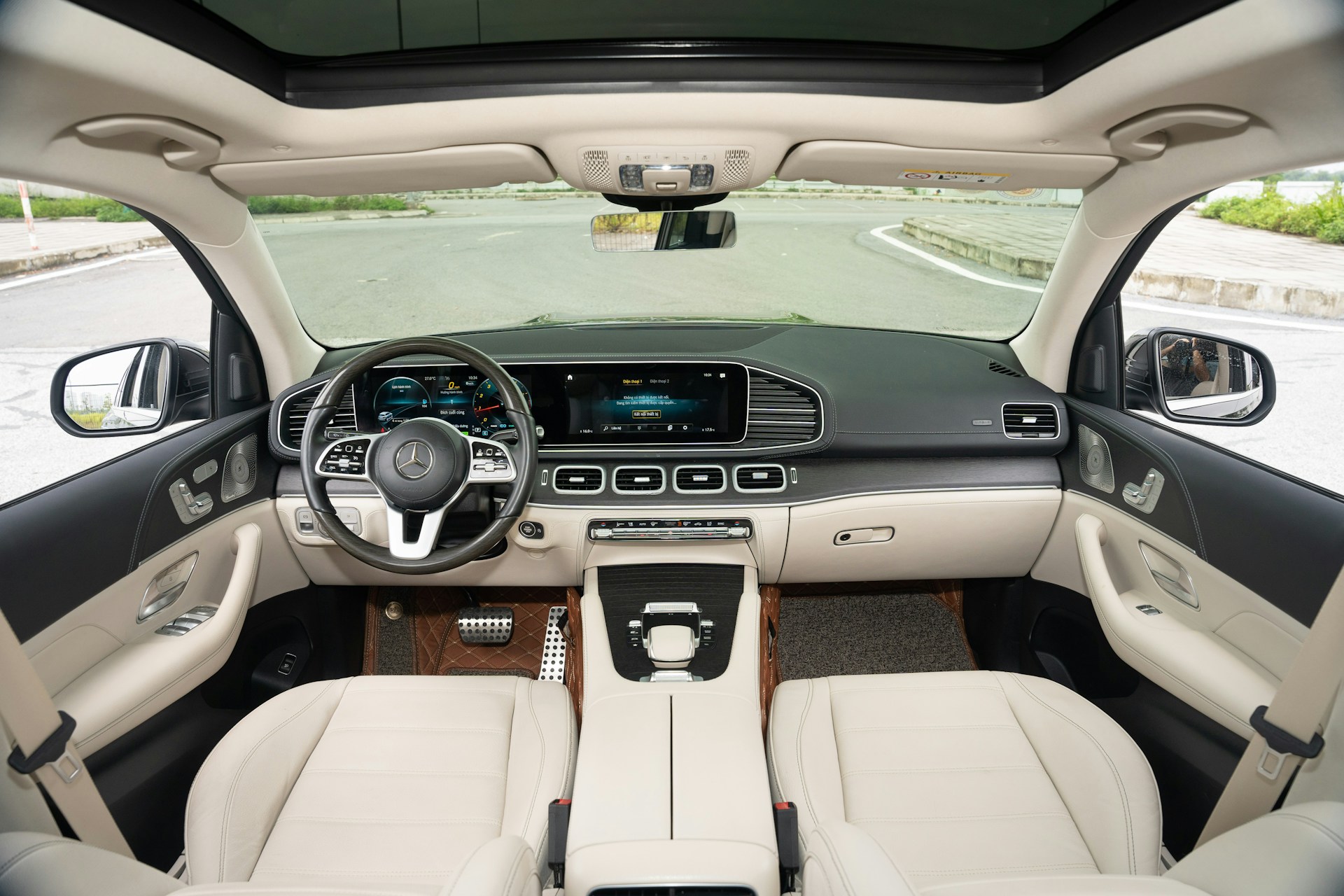
Keeping your car clean isn’t just about aesthetics—it also protects your investment. Regular washes remove salt, dirt, and grime that can cause rust, especially in winter. Cleaning the interior prevents damage to upholstery, electronics, and surfaces. A well-cared-for car resists deterioration and continues to look and run better over time.
Keep Records and Stay Organized
Keeping a log of maintenance and repairs can help you stay on top of what your car needs and when it needs it. Records also help mechanics understand your vehicle’s history, which can prevent missed steps or repeated mistakes. Organized maintenance tracking contributes directly to a longer, healthier life for your car.
Reaching 200,000 miles isn’t about luck—it’s about consistent care, attention, and intelligent driving. By sticking to a maintenance schedule, responding to warning signs, driving responsibly, keeping your car clean, and monitoring critical components, you can extend your car’s life well beyond what most people expect. With patience and commitment, your vehicle can stay reliable, comfortable, and ready for many more miles on the road.