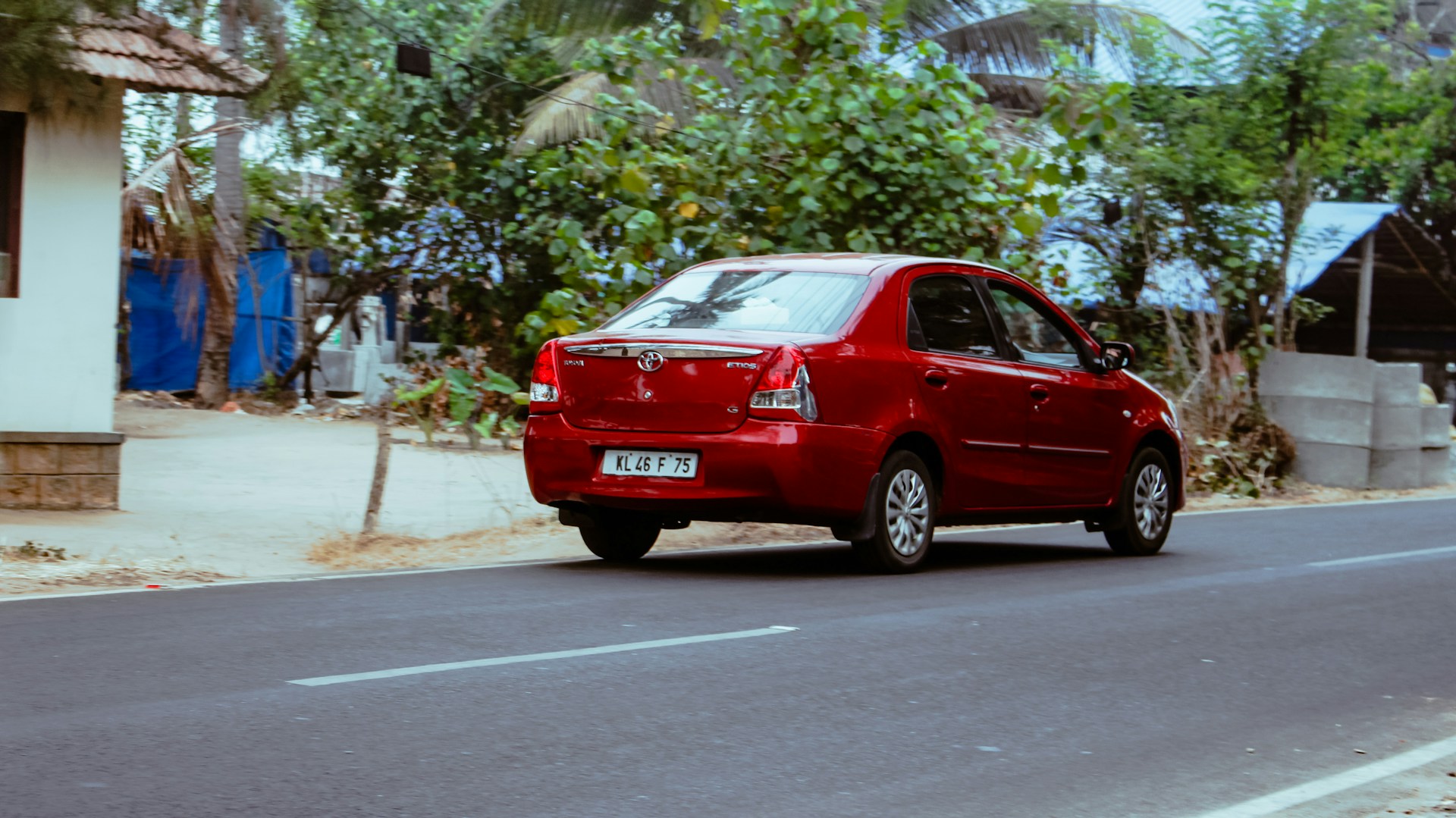
Hitting 200,000 miles on a car can feel like an impossible milestone for many drivers, but it’s actually achievable with the proper care. Modern vehicles are built to last, yet reaching that milestone requires more than luck—it takes consistent attention, smart maintenance, and a little patience. If you want your car to stay on the road long past 200,000 miles, understanding the basics of upkeep is the place to start.
Stick to a Maintenance Schedule
 Regular maintenance is the backbone of a long-lasting car. Oil changes, fluid checks, tire rotations, and brake inspections might feel routine, but skipping them can lead to expensive problems down the line. Following the manufacturer’s maintenance schedule ensures that every part of your vehicle runs smoothly. Even small tasks like replacing wiper blades or air filters on time can help your car perform better for years.
Pay Attention to Warning Signs
Your car communicates problems before they become serious. Strange noises, dashboard lights, vibrations, or changes in performance are all signals that something needs attention. Ignoring them is a surefire way to turn a minor repair into a major one. Learning to listen to your vehicle and address issues early is one of the most effective strategies for longevity.
Drive Smart, Not Aggressively
How you drive has a significant impact on your car’s lifespan. Aggressive acceleration, sudden braking, and high-speed driving put unnecessary stress on your engine, transmission, and suspension. Gentle starts, smooth stops, and moderate speeds help reduce wear and tear. Treating your car …
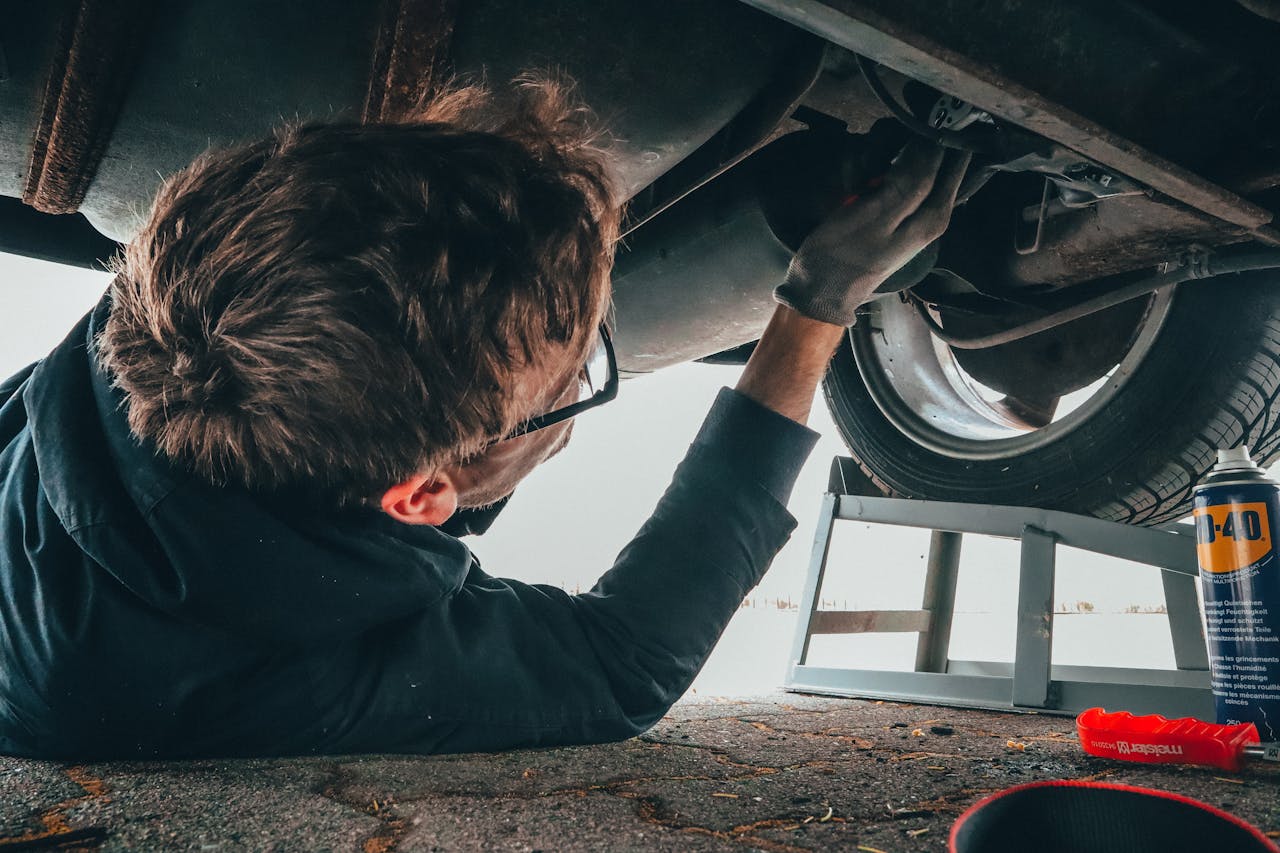
 Cold weather can significantly impact tire pressure. As temperatures drop, the air inside your tires contracts, leading to lower pressure. A decrease of just 10°F can reduce your tire pressure by approximately one psi. Regularly checking your tire pressure becomes crucial during winter months.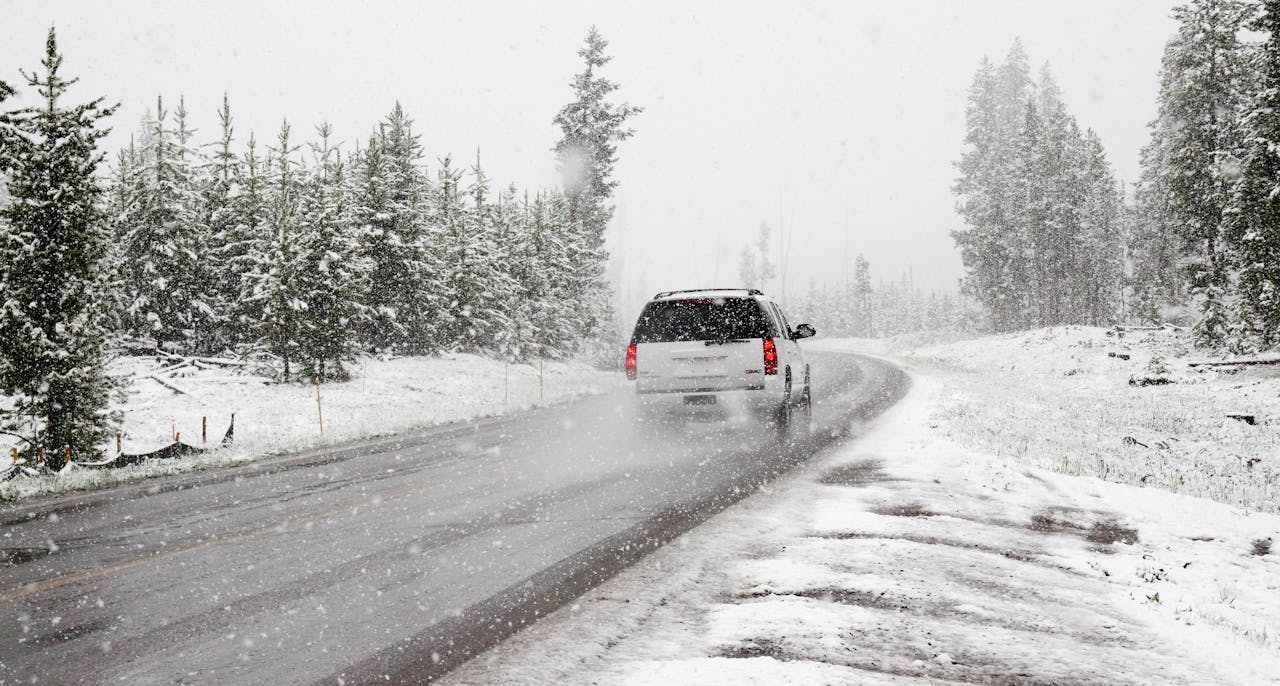
 Cold weather can significantly impact tire pressure. As temperatures drop, the air inside your tires contracts, leading to lower pressure. A decrease of just 10°F can reduce your tire pressure by approximately one psi. Regularly checking your tire pressure becomes crucial during winter months.
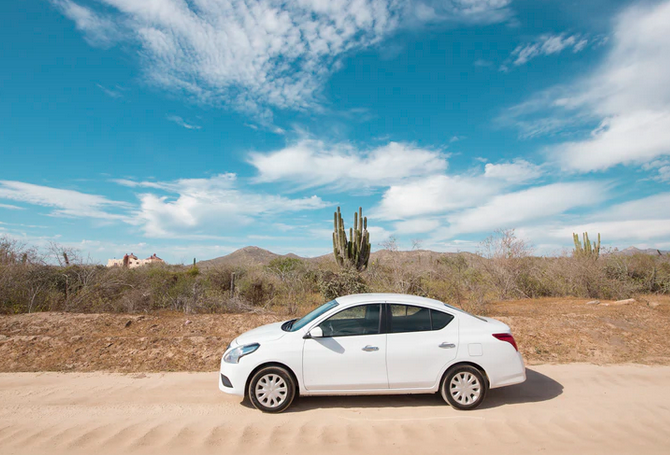
 Are you traveling alone on smooth roads, and you are keen on saving on fuel? Well, then you should rent one of the small car models available. If you are on a trip with your family, you may need a larger sedan to offer a big space to put your luggage.